
Dr Michael Lucas, ex-Tesla Senior Staff Engineer and Founder of Manufacturing Catalyst, on working at Tesla's Fremont HQ and the talent density he found there.
This interview is part of Perpetuate's Fireside Q+A series (October 2024 to March 2025). It is a written interview first published on LinkedIn on 16 February 2025.
Dr Michael Lucas FIEAust CPEng is an ex-Tesla Senior Staff Engineer (Fremont), formerly of Rio Tinto, Bechtel, Woolworths, CHEP and 5B, and the Founder of Manufacturing Catalyst.
"At Tesla, Elon liked to say that 'Excellence was the passing grade'."
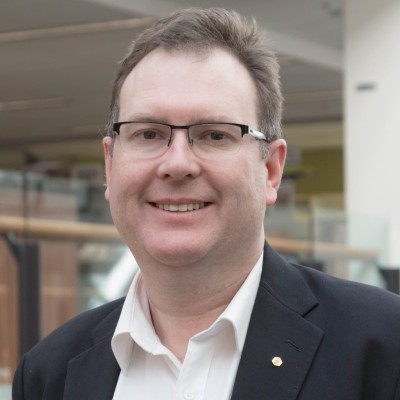 Dr Michael Lucas, ex-Tesla Senior Staff Engineer and Founder, Manufacturing Catalyst
There were a lot of Australians at Tesla, particularly in senior roles – we have a global reputation for rolling up our sleeves, working hard and getting things done. I was hired as a Senior Staff Engineer, which was the highest level of individual contributor, though I did lead several project teams. I was part of Material Flow Engineering, which moved around the organisation a few times while I was in Fremont, so we had different levels of reporting.
Between manufacturing automation and factory design activities for the various gigafactories, I led a supply chain optimisation project that reported to the President of Automotive. Even at this level of seniority, we rarely interacted with Elon directly – though the flow on effects of his presence always increased the intensity!
There was a stark difference between Tesla and anywhere else I had worked previously. Imagine the drive and intensity of a startup, but with the resources of a big company coupled with a lot less bureaucracy.
When 10,000 very good people apply for most jobs, even at entry level, you can get the very best of the best, people who really believe in the mission to accelerate the world's transition to sustainable energy and have the experience, intellectual firepower and resilience to do things in time frames regular corporates would find impossible. Each of those people would have been the most likely to make things happen at any other company – but at Tesla, Elon liked to say that "Excellence was the passing grade".
I have always wanted to use the depth and breadth of my global experience to assist as many Australian manufacturing companies make the right amount of the right product at the right time. Having come back from the US, and led the Industrialisation team at 5B, the timing for starting a manufacturing consulting and advisory firm was fortuitous with the push for a "Future Made in Australia" and talk of sovereign capability both here and internationally.
So many up and coming Australian companies are making great products and just need a gentle nudge in the right direction to be really successful, and I felt that I could have a broader impact making those nudges through Manufacturing Catalyst rather than joining just one company. My goal is to help people who make things, make things better.
One of the things I had really enjoyed in the corporate world was building teams of great people who can really make an impact on the success of the business and its customers. While building such a team at Manufacturing Catalyst is on the forward plan, it's not something a fledgling advisory business can do from day one.
The delicate balance of now being in control of my own destiny but not yet having a great team around me is somewhat satisfied by working with some amazing people at my customers around the world. Many of these are the sorts of people I would have hired at Tesla. I've learned not to underestimate the level of talent that is sometimes hidden in these businesses!
Australia produces some of the very best engineers and scientists in the world, along with some of the best deep tech research. In the corridors of Silicon Valley, along with design and manufacturing hubs around the world, you will always hear Australian accents, regularly leading in both strategic and practical ways.
What has been tough is convincing those people that they can have similar impact back home. Pandemics and geopolitical instability are making many of those who have done great things internationally consider coming home to the slightly slower pace where they can shine.
In parallel, we're getting better as a nation at commercialising and translating some of our amazing research, and realising that we have one of the best test markets in the world for a lot of products.
Private Equity, Venture Capital and government funding bodies at all levels now need to get behind our startups and other manufacturing businesses to capitalise on our talent pool – this means making sure that they have an appropriate cheque size. Too often the amounts of money on offer are either too big or come with excessive administrative burden.